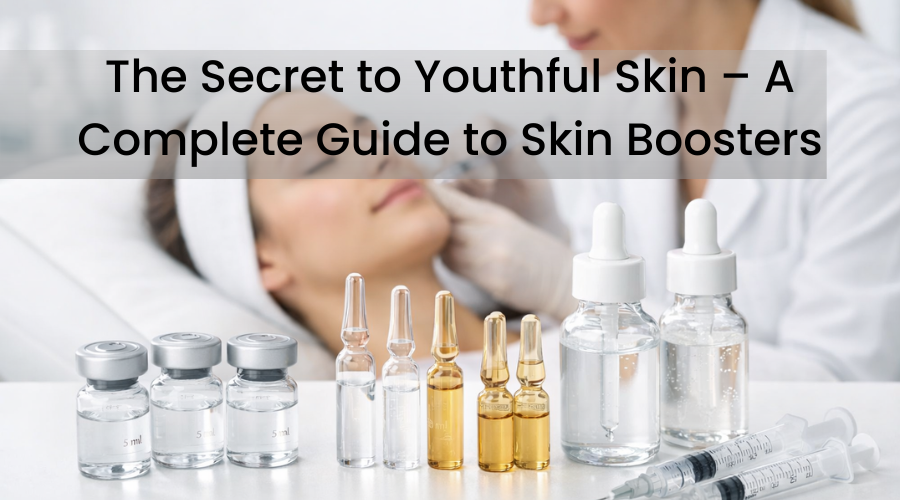
Sometimes the skin needs more radiance and elasticity than volume. Not every injectable is the same, because each type addresses a specific concern. When we talk about restoring collagen and elasticity, the first thing that comes to mind should be skin boosters. A general person might not know about this key difference, which is why clinics know better. They know when to choose a anti-aging skin booster exporter for their clinic. They don’t use the same vials or methods on every patient. Lots of things matter in the medical aesthetic field, and this is what you will learn in it.
The secret to youthful skin is the selection of the right microinjection. Medical aestheticians choose skin boosters when they find out that the skin requires a boost in collagen and hydration. They don’t always go for the dermal fillers because they are different from skin boosters. In this blog, you will also find the key difference between them for a clear idea. So, here is all you can know about skin boosters if you are thinking about this treatment.
They are skin injectables that promote radiance, hydration, and collagen support in skin. Medical aestheticians perform these microinjections to provide desired results like a radiant and rejuvenated face. Skin boosters improve skin texture to make it look younger and fresher. Therefore, clinics get skin booster bulk supplies from suppliers for their patients. These injectables contain hyaluronic acid and other elements that support collagen and skin hydration.
As you already have an idea about what they do. Here are all the functions of skin boosters that turn pale and dry skin into radiant and youthful skin. When a doctor injects a skin booster in the skin, it performs the following functions.
• Reduces fine lines and wrinkles
• Hydrates the dull and dry skin
• Balances the uneven skin tone
• Smoothens the skin to reduce rough texture
• Promotes recovery of low collagen
Therefore, every cosmetic skin booster distributor has to supply various types of injections. They use hyaluronic acid mainly, which plays a vital role in all these functions. The concentration of HA creates a difference in the formulation. That is why some patients need mild and some need strong skin boosters.
The treatment is not just a one-time process because skin takes time to adjust. Therefore, multiple sessions take place for the desired results. Since lots of appointments take place, clinics can’t rely on just a few vials. To meet the back-to-back demands of applicants, clinics have to stock a bulk skin booster. Some applicants may need fewer sessions, and some may need more. It all depends on the skin type and age factor of applicants.
Skin boosters treat some specific areas of the face and surrounding areas. However, some people get their treatments on their hands also. Usually, they treat the facial region, where the following are common treatment points.
• Forehead
• Under eyes
• Fine lines
• Nasolabial folds
• Malar cheeks
• Jawline
• Temples
• Neck
These are all the areas on the face and neck that can get treatment from skin boosters for a youthful look. Only a medical aesthetician can decide what kind of vials and how many doses a patient needs. You may feel like you need dermal fillers, but an expert knows what your skin needs.
It takes around 2 or 3 sessions for that. Each session requires 4 weeks of space for stable results. Even after around 4 or 6 months, some patients need maintenance or touch-ups. Clinics have to source bulk vials from a bulk skin booster exporter for that. To provide timely treatments without any vial shortage, medical aestheticians keep bulk stocks.
It all depends on the medical expert’s advice. A dermatologist or medical aesthetician analyzes the applicant first. Every patient requires different doses depending on age, diet, skin type, and desired results. Only a medical aesthetician can share the exact number of doses for that.
It is a long procedure, which takes hours and multiple sessions. We will share some information to make it understandable in simple words. Cosmetologists and dermatologists follow some steps to screen the applicant before they schedule the treatment. They have to make sure if the applicant qualifies for skin boosters or not.
An applicant has to take an appointment for skin booster treatment first. A medical expert takes the basic information of the applicant. They assess the skin condition and medical history of the applicant. The skin checkup allows the doctors to make sure the patient is eligible for the treatment without risk of a severe reaction. Once they complete the consultation, they provide the date for the treatment.
On the treatment day, doctors perform markings on the face. They analyze the desired area thoroughly before applying the numbing cream. Once they prepare the targeted area with numbing cream, that specific area feels nothing. The numbing cream allows the doctors to perform the treatment without causing any pain. That cream numbs the area for around a couple of hours.
Then the doctors choose the injection method from multiple options. Since there are different methods of injecting skin boosters, medical aestheticians have to choose the suitable one. They are the fanning technique, the grid technique, the bio aesthetic points technique, and the flat blanching technique. Once they choose the suitable injection method, they go ahead accordingly.
After the end of the treatment, the post-treatment care takes place. A medical aesthetician guides the patient about the post-treatment care. A skin check-up takes place after 24 or 48 hours of the treatment. It is mandatory to update the patient’s skin health. Then there is another check-up after one or two weeks of treatment. The patient gets a post-treatment lifestyle and diet guide. There are many foods and activities that are not safe for patients.
Yes, they do work. When people get these injections in their skin, the results start appearing after a week. The following are the results, which make the appearance rejuvenated and radiant.
• More skin hydration
• Plumper skin
• More collagen stimulation
• Wrinkles removal
• Smooth skin texture
• Enhanced collagen volume against skin thinning
• Better skin elasticity
• Radiant skin
Everything has some side effects, so do the skin boosters. It happens because of various reasons, and some patients may experience them. These side effects may occur right after a few hours or days of the treatment. A patient may face some of the following problems if the skin boosters don’t succeed.
• Redness and swelling
• Bumps or lumps
• Vascular problems
• Itching and irritation
• Infections
• Allergic reaction
In this case, doctors usually reverse the process through booster dissolvers. They dissolve those boosters that are present in the skin in case the patient doesn’t get safe results. There are other options also, where doctors may work on adjusting the skin boosters.
They last around 4 and 6 months, and not every patient gets the exact lasting period of boosters. Lots of factors are present in it, and some of them are diet, lifestyle, metabolism, etc. A doctor guides patients about the safety of skin and the longevity of boosters.
You might be thinking that skin boosters and dermal fillers are alternatives. They seem to be similar, but there are some differences between them.
• Dermal fillers focus on restoring volume, contouring, and smoothing wrinkles.
• Skin boosters focus on improving texture, elasticity, radiance, and hydration.
Both have similar results, but skin boosters provide a more natural look than dermal fillers. Clinics that work on natural radiance and softer skin texture source bulk skin boosters for their patients. They know that hyaluronic acid is the key to hydration and collagen support against dry and pale skin.
This whole procedure takes around 4 weeks, which includes maintenance and touchups. Patients may feel positive results within a couple of weeks, but the entire process takes more time. Skin takes time to show full results by adjusting with the hyaluronic acid and supporting elements present in skin boosters.
A doctor always guides about avoiding some specific activities that can cause pain and swelling in the treated area. Usually, a patient has to avoid strenuous exercise, heat exposure, pressure on the treated area, UV exposure, face massage, and sleeping on the face. All a patient can do is apply ice packs only if there is mild pain.
Clinics source various types from their partnered anti-aging skin booster exporter. They know that each patient requires compatible skin boosters for the optimum results. For that, they source multiple types, and some of them are below.
• HA-based vials
• Platelet-rich plasma vials
• Polynucleotide-based vials
• Vitamin-based vials
• Profhilo vials
Their formulation is different from each other. Each one addresses a specific concern, whether it is low collagen, paleness, wrinkles, or bad texture.
Since there are lots of brands in the market, the cost will vary because of that. It is a complete procedure, and clinics charge different fees. It includes the cost of procuring vials from a cosmetic skin booster distributor. Besides, the cost ranges between $300 and $1000 approximately. This cost may increase depending on various factors like brand of vials, clinic, and the medical aesthetician’s expertise.
You don’t need dermal fillers when there are skin boosters to address specific concerns better. Skin boosters focus on enhancing radiance, elasticity, hydration, and collagen. Without making skin look extra plump, they provide medium volume addition for a more rejuvenated look. A patient has to visit a medical aesthetician first, who is a certified one. That expert screens the patient for the treatment. Once the patient qualifies, the appointment takes place for the treatment. Then the doctor guides about the post-treatment process. It all takes around four months for the desired results. Then the skin appears youthful with better texture, elasticity, and radiance.
Highlights When you buy a ski
READ FULLThe injectable hydration market is not slowing down. Not even close.
READ FULLIt is not easy to find a trusted supplier of any product until you s
READ FULL